top of page
The True Cost of Fast Fashion
.jpg)
Despite its seeming affordability, fast fashion has significantly higher underlying costs than just keeping up with the latest trends. The effects on the environment are astounding: the fashion sector is one of the biggest pollutants in the world, contributing to hazardous dyes, water waste, microplastic contamination, and enormous carbon emissions. Each year, billions of garments wind up in landfills due to the creation of inexpensive, disposable apparel.
The human cost is just as concerning. Fast fashion businesses frequently outsource production to nations with lax labor laws in order to keep prices cheap. In many nations, workers receive pitiful pay, endure hazardous working conditions, and sometimes even engage in child labor. The glossy veneer of reasonably priced, stylish clothing frequently conceals the exploitation of these people. Meanwhile, a cycle of waste is created by the overconsumption promoted by fast fashion, which results in clothing that is worn just a few times before being thrown away.

.jpg)
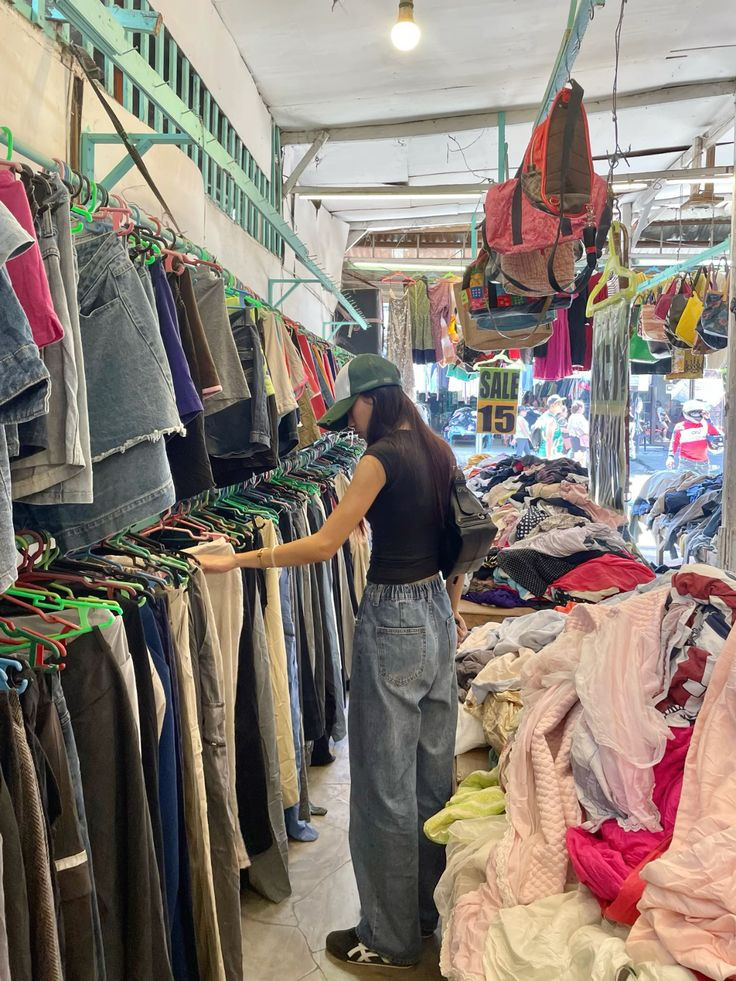
Thrifting Tips for Beginners
Although thrifting is an affordable and environmentally friendly method to update your wardrobe, it can be intimidating for first-time buyers. To save yourself from getting sidetracked by the countless alternatives, start by clearly defining what you need. Never be scared to go through shelves and racks; occasionally the nicest things are concealed among the more cluttered ones. Great finds typically take time to locate, so patience is essential.
Another suggestion is to shop regularly because inventory is constantly changing. Go to your neighborhood secondhand stores throughout the week when they are less crowded and you have more time to look around without feeling hurried. Be willing to make small repairs, since thrifted goods are frequently less expensive and may require some TLC. Finally, remember to inspect for quality; seek out clothing that is well-crafted, made of durable materials, and steer clear of pieces that have a lot of damage. These can make thrifting an enjoyable and fulfilling method of creating a distinctive, eco-friendly outfit.
JOIN THE MOVEMENT!
.jpg)
Building a Sustainable wardrobe
Prioritizing quality over quantity is the first step in creating a sustainable wardrobe. Invest on classic, long-lasting pieces made of natural fabrics like organic cotton, linen, and wool rather than chasing fads. Compared to synthetic alternatives, these textiles are less damaging to the environment and have a longer lifespan. You can cut down on the need for frequent buying and build a more well-thought-out, useful closet by emphasizing goods that are durable and adaptable.
Choosing higher-quality clothing is important, but so is prolonging the life of your clothes to cut down on waste. The environmental effect of your clothing can be reduced by repairing, reusing, and taking good care of it, such as by washing it in cold water and letting it air dry. Another excellent method to create a more environmentally friendly wardrobe is to buy used clothing or to support ethical companies that place a high value on sustainability and ethical labor practices. Making little, thoughtful adjustments to the way we purchase and maintain clothing can have a big impact on the environment and our closets.
bottom of page